what is it?

henna
jagua
Henna is a natural plant-based reddish/brown dye, made from the henna plant (Lawsonia Inermis).
The leaves are dried and ground into a powder that is then combined with other ingredients to make a paste that can stain/dye different surfaces including skin, hair, and fabric.
Our Henna Ingredients: Organic Henna Powder, Eucalyptus Essential Oil, Raw Sugar, Lemon Juice, Water, and Xantham Gum
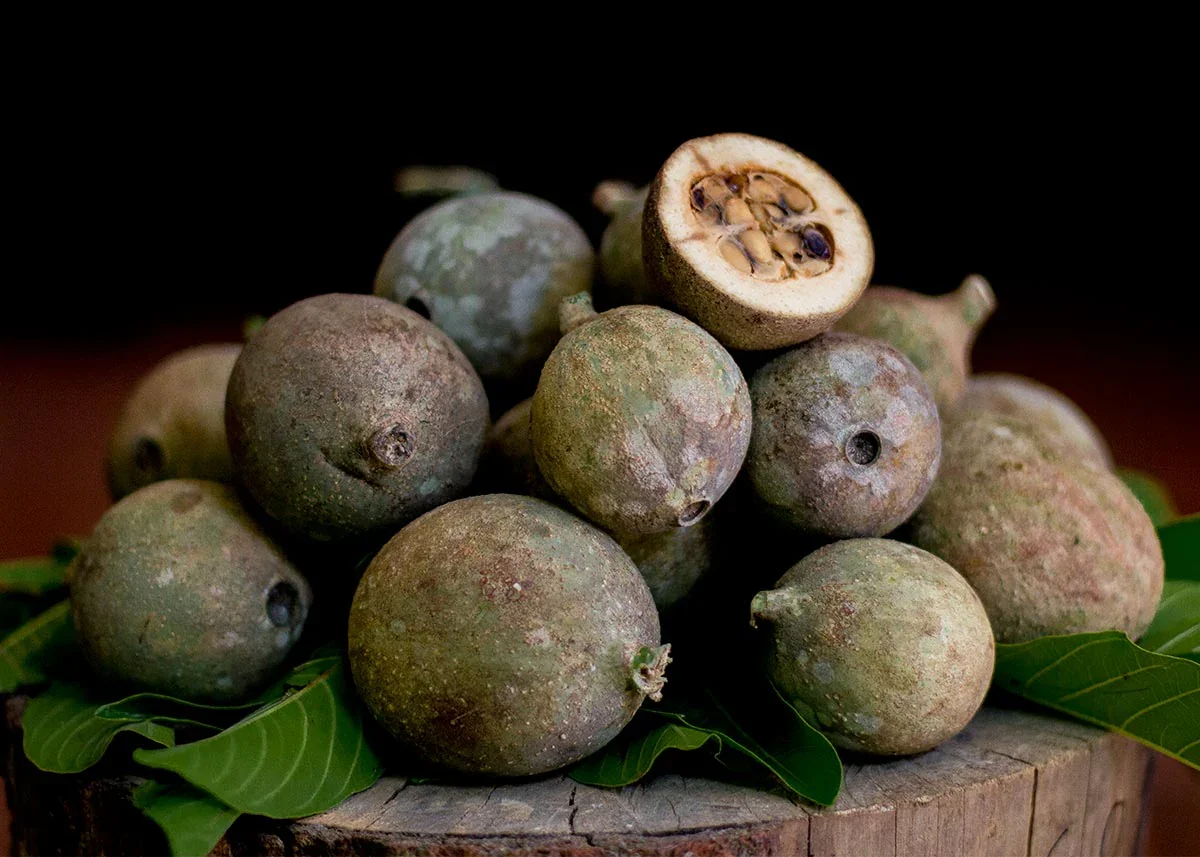
Jagua is also a natural plant-based dye of a black/blue hue, made from the juice of the jagua fruit (Genipa Americana).
The pigment is extracted from the fruit and combined with a stabilizer such as Xanthan gum or even henna to make a gel or paste that can stain/dye different surfaces, including skin, hair, and fabric. Jagua is the natural and safe alternative to ‘Black henna.’
Our Jagua Ingredients: Genipa Americana Juice/Extract, Lavender Essential Oil, Water, and Xanthan gum
❀ Please Note: 100% natural henna and pure jagua should not include any additional chemical dyeing agents. ‘Black Henna’ is not real henna - it is a chemical-based dye that can be extremely harmful, causing severe allergic reactions and chemical burns. As a naturally occurring plant-based dye, henna and jagua* are safe and suitable for all skin types and skin tones! Athaare guarantees 100% natural, chemical-free quality product — always!
*with the exception of those with fruit allergies and jagua is made from fruit
where is it from and why is it done
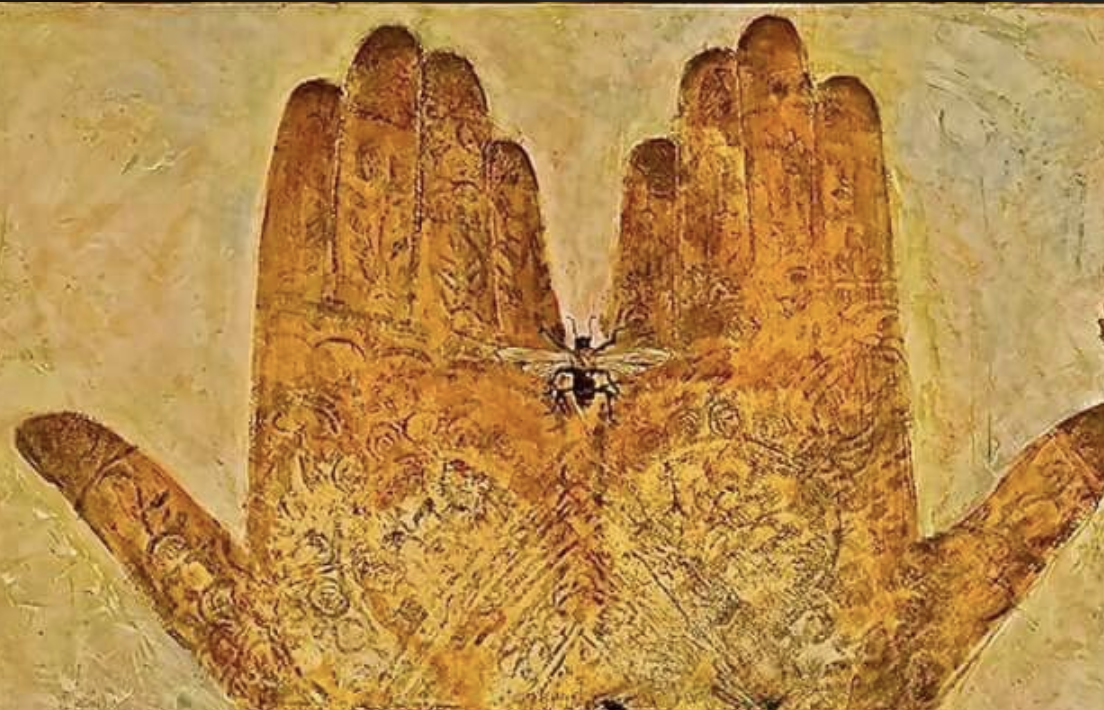
Also known as lalle, mhina, and mehndi, henna (the product, as a practice, and as an art form) can be found in various cultures throughout Africa, the Middle East, and Asia. The henna plant grows in these tropical and subtropical regions of the world and has been a part of cultural, religious, body ornamentation, and medicinal traditions for thousands of years.
While henna tattoos are associated with African, Middle Eastern, and Asian cultures, jagua is native to South/Central America and the Caribbean. It also been used for similar purposes by indigenous people, and for just as long.
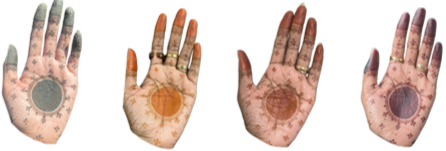
How does it work?
When henna paste/jagua gel is applied, it releases dye pigment that gets absorbed by the topmost layer of the surface (examples: skin, hair, nails, fabric, etc). While there is an immediate staining effect, it is very shallow — the pigment absorption process needs time to leave a rich and lasting stain.
Once the paste/gel is removed, the absorption process ends, and the oxidation process begins, which also takes time. Over the next several hours, the stain left behind begins to mature and grow darker. The final stain is achieved about 24-48 hours post-removal, and this stain can last anywhere from 1-3 weeks on the skin, depending on skin type and aftercare!
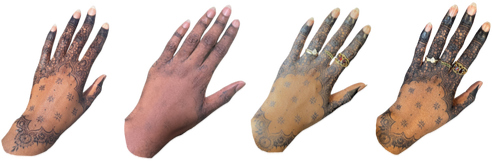
General FAQs
-
Both henna (reddish brown) and jagua* (blue/black) are natural plant-based dyes that are made into a paste/gel to be applied to different surfaces, including skin, hair, nails, and fabric — by many cultures and for many reasons for centuries.
Our Henna Ingredients: Organic Henna Powder, Eucalyptus Essential Oil, Raw Sugar, Lemon Juice, Water, and Xantham Gum
Our Jagua Ingredients: Genipa Americana Juice/Extract, Lavender Essential Oil, Water, and Xanthan gum
Please note: “Black henna” is not real henna and can be dangerous. Jagua is a natural, safe alternative!
-
As a naturally occurring plant-based dye, henna and jagua* are safe and suitable for all skin types and skin tones! (*with the exception of those with fruit allergies and jagua is made from fruit)
100% natural henna and pure jagua should not include any additional chemical dyeing agents. ‘Black Henna’ is not real henna - it is a chemical-based dye that can be extremely harmful, causing severe allergic reactions and chemical burns.
Athaare guarantees 100% natural, chemical-free quality product — always!
-
Henna and Jagua have been used for cultural, religious, body ornamentation/cosmetic, and medicinal purposes across Africa, Asia, the Middle East, and the Americas for centuries.
Both then and now, henna can have deep significance or non-at all! So long as you are culturally appreciative and not appropriative (disrespecting, trivializing, or exploiting the source culture's original meaning, context, or significance) — everyone is welcome to do/get henna done!
-
Henna paste/Jagua gel is applied to the surface of the skin. While left on the surface, the surface can absorb the naturally occurring dye that the product releases. Once removed, a stain is left behind on the surface that will develop over the next several hours (reaching peak development 24-48hrs post removal) and will last anywhere from 1-3 weeks, fading gradually. Scroll up for even more info!